
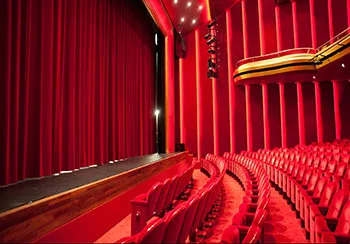
The Benefits of Motorised Truss Systems for Stage Lighting: Efficiency, Safety & Flexibility
Discover how motorised truss systems improve stage lighting operations with flexible positioning, safer maintenance, efficient cable management and faster setup.
Lighting rig design for theatrical performances is no longer about fixed systems that are nailed down in place.
There is a need for lighting systems that are fast, flexible, and safe when placed above stages. The solution to this problem lies in the implementation of a motorised truss system where the lighting rig can be raised, lowered, and repositioned through remote control.
In Australia, this sort of installation work is offered by Installation Theatrical Engineering and can be seen in theatres, educational institutions, and arts centres across the nation.
What is a Motorised Truss System
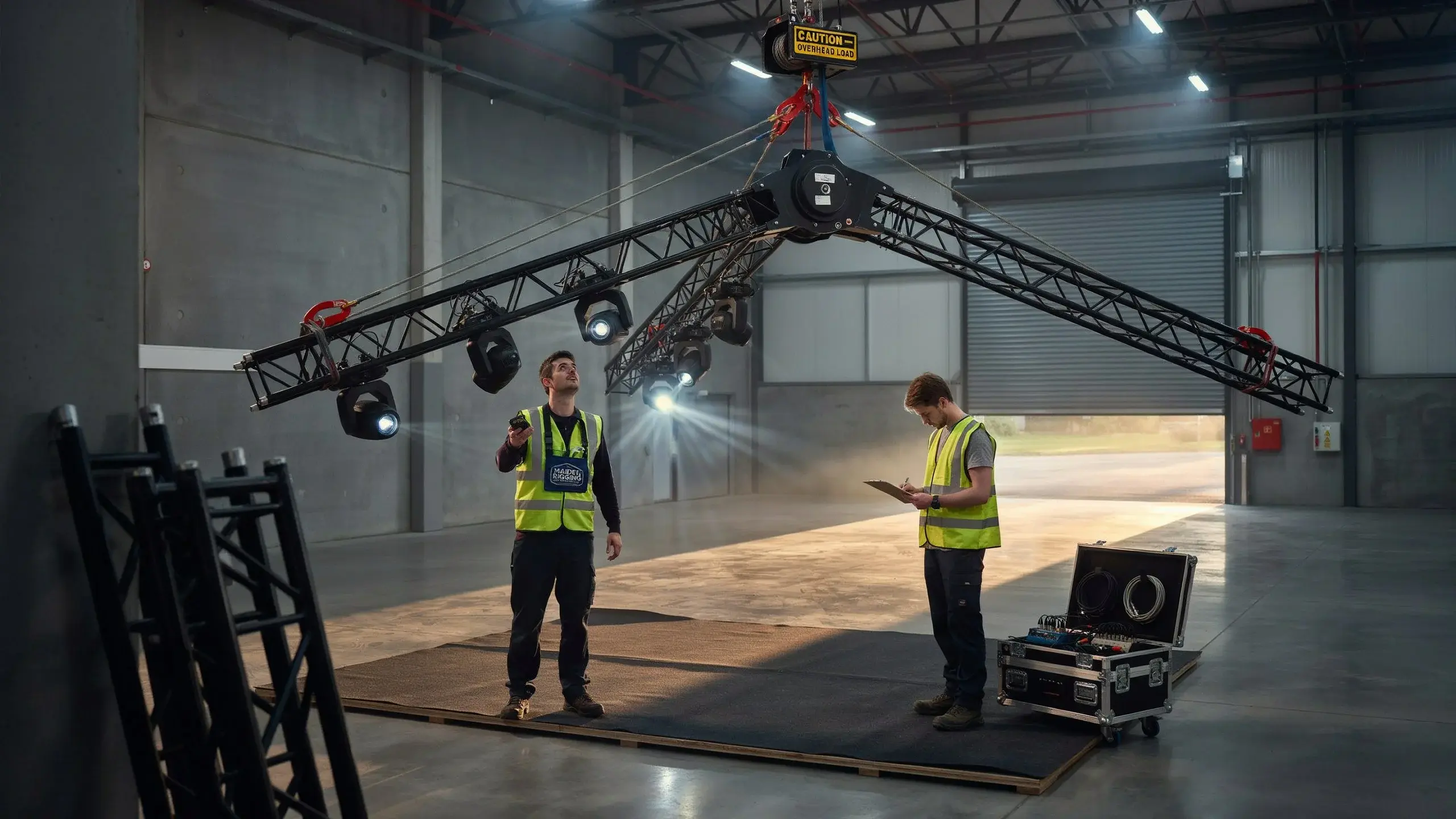
Firstly, it is a truss system made of aluminium and fitted with either electrical or chain hoists, which can be controlled via the panel and not manually with winches or counterweights. In this case, it will no longer be necessary for the technicians to go up in order to move the bar; on the contrary, the whole truss system will move, lowering the lighting fixtures to a comfortable working height, after which they will be lifted back up.
This is why it is very convenient to use motorised truss for stage lighting in a busy environment. Both box and tri truss systems can have built-in energy chains that keep the cables neat.
Why Do Venues Consider Adopting a Motorised Rigging System?
Time is the key factor, especially in a travelling production show or an assembly/performance conversion, as it might require the adjustment of lighting positions within minutes instead of hours. In the manual rigging scenario, the rental of a scissor lift, clearing up the stage and performing the task at heights become necessary before even a single cue can be adjusted.
A motorised rigging system minimises all this hassle. The lighting position could be saved and retrieved electronically, adjustments to trim heights can be done from the stage level, and mixed-use venues do not have to hire new labour or equipment for resetting their lighting rig.
How Does an Overhead Lighting Truss Improve Safety on Site?
Being at a higher elevation still ranks as one of the major risks that theatre and venue professionals face. If workers are able to bring down a lighting system to shoulder level, set it up and lift it back up again, there is no longer a necessity to use ladders or any other elevated platform, which in turn minimises the chances of falling off or dropping a tool.
The benefit that comes from an overhead lighting truss with motorized control system is a reduction of wear and tear on cabling and connections, as the cables do not bend when they move but are enclosed in energy chains.
Benefits of Using Motorised Trusses in Stage Lighting
Aside from time-saving and safety considerations, some of the notable benefits that venues have identified after switching to motorised trusses for stage lighting include the following:
- Rapid bump-in/bump-out for touring and rental productions.
- Fewer needs for elevated working platforms and outside companies.
- Reproducible lighting positions due to digital storage.
- Long-term maintenance cost reduction because of controlled cable management.
- Ease of installation with the rigging system and lighting bars that are already present in the venue.
How Do Motorised Truss Systems Fit Into Broader Theatre Engineering Solutions?
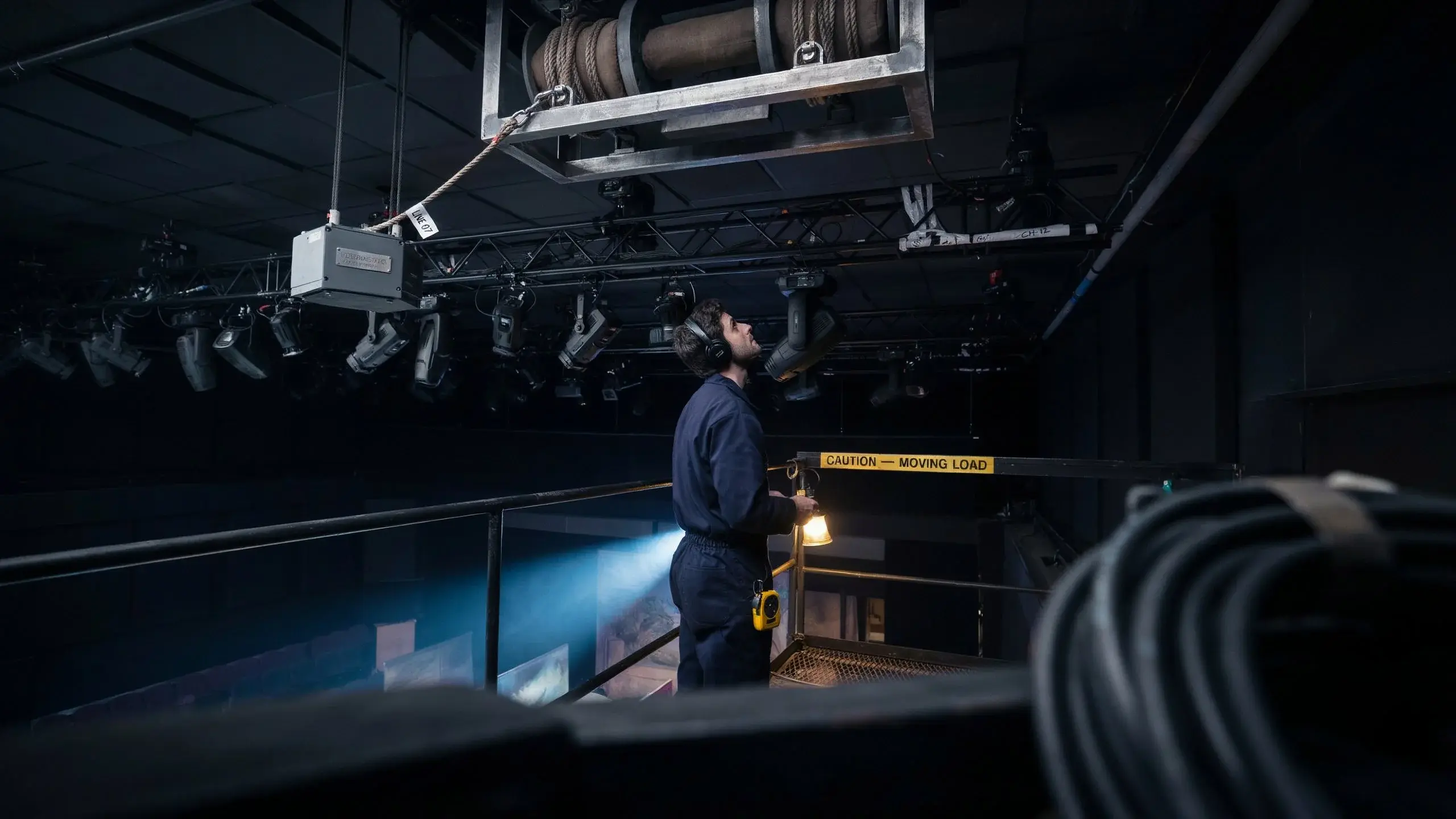
A truss does not normally operate on its own. Instead, it operates alongside counterweight systems, hoists, curtains and house lights as one of the pieces of infrastructure. At Installation Theatrical Engineering, we work hand-in-hand with other theatre engineering solutions responsible for the design of the entire venue, ensuring that the specification of the automated rigging system is tailored to the building, its load paths and existing installations rather than being an independent purchase.
Such a solution is particularly important during the reconstruction or the construction of a new building when the motorised truss system has to coexist in the same ceiling space with HVAC, sprinkler systems and finishing work. In such situations, proper engineering upfront saves future headaches, and one of the reasons why a correctly specified overhead lighting system lasts longer than a non-customised one.
What Should Venues Consider When Planning a Motorised Truss Installation?
Every venue has its own demands, but the first step for every plan should be a thorough evaluation of what the venue is being used for. A community hall hosting assemblies one day and then a light show the next day will have different demands compared to a theatre built specifically for the production shows that follow a certain schedule. There is a lot of work that goes into making sure that the compact or heavy-duty design is appropriate for the venue.
It is better to contact a specialist in advance rather than wait until the ceiling grid has been completed. Correct planning of a motorized rigging system allows for consideration of cable routes, hoisting points, and access points before they are determined by the architecture of the place. It also means that combining a motorised system and a well-specified overhead lighting truss will provide the best result and not a compromised solution in the future.
When selecting a motorised rig, you need to find the correct company that not only understands the product but knows how venues work from the inside out. This is what the Installation Theatrical Engineering team offers to all projects, be it a school looking to modernise their hall or theatre venues looking to undertake a complete rigging upgrade. The result is a reliable system that is both safe and easy to use.
For all venue projects, whether you are considering an upgrade in rigging or lighting, contact Installation Theatrical Engineering today!
FAQs:
What maximum load can be lifted using motorised truss systems for stage lighting?
This largely depends on the type of truss used and the configuration of the rigging and hoisting system, and ranges from light-duty trusses with a width of 150 mm up to 400 mm box truss systems. An expert engineering assessment of the safe loadings for particular fixtures should be carried out prior to installation.
Is it possible to upgrade an old rigging system with a motorised truss system?
Quite often yes, but only when structural loadings and controls wiring are adequate for new installations. It's always wise to start with a consultation with a theatre engineering specialist and then proceed to installing hoisting and motorised components.
Are there any council and safety certifications required in Australia for motorised truss systems?
Most permanent overhead rigging systems have to comply with Australian engineering standards; some large venues might require certification. Using an installer with experience is helpful to get all the documentation right.
How is power and cable handling done on a motorised lighting truss system?
Cables are installed through a built-in duct or energy chain in the truss assembly that ensures that the DMX, power, and data cables are kept secure even when the rig moves. This eliminates any wear on cables and maintains a neat look on the grid from the floor.
Is a motorised truss system appropriate for use in schools and communities?
Smaller and mid-size capacity motorised truss systems are often installed in school halls where a variety of activities such as assemblies, examinations, and events take place. This ensures that the lighting can be adjusted easily without the need for a lift or ladder.
Get a quote now on motorised rigging solutions from us!
Contact Installation Theatrical Engineering for a tailored quote based on your venue needs.