
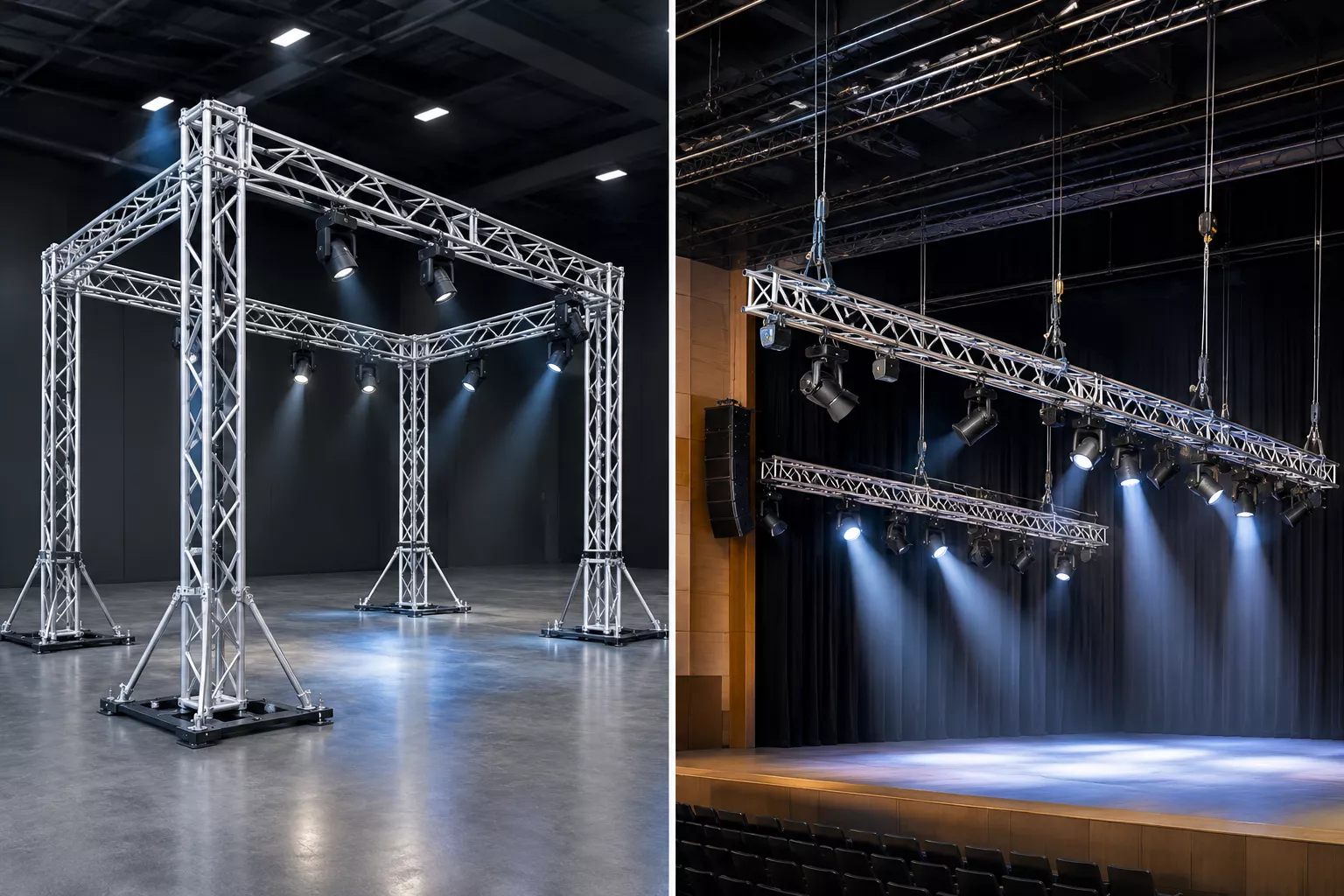
Ground-Supported vs Suspended Truss: Choosing the Right System
Compare ground-supported vs suspended truss systems to understand costs, safety, installation, and the best option for your venue. Get expert advice from ITE.
The starting point when planning a stage, lighting grid or sound rig is one structure question that even seasoned production crews can get wrong.
Get your trusses wrong, and you'll be facing budget blowouts, delays during setup or an ineffective rig overall. The simple fact is that the choice between ground-supported vs suspended truss is based on what your ceiling can handle, the degree of flexibility required by the production and the speed of rigging requirements.
For more than three decades now, this exact problem has been solved for venues across Australia by ITE. If you need a rig designed, not guessed, ITE has got you covered.
What is a Ground-Support Truss System?
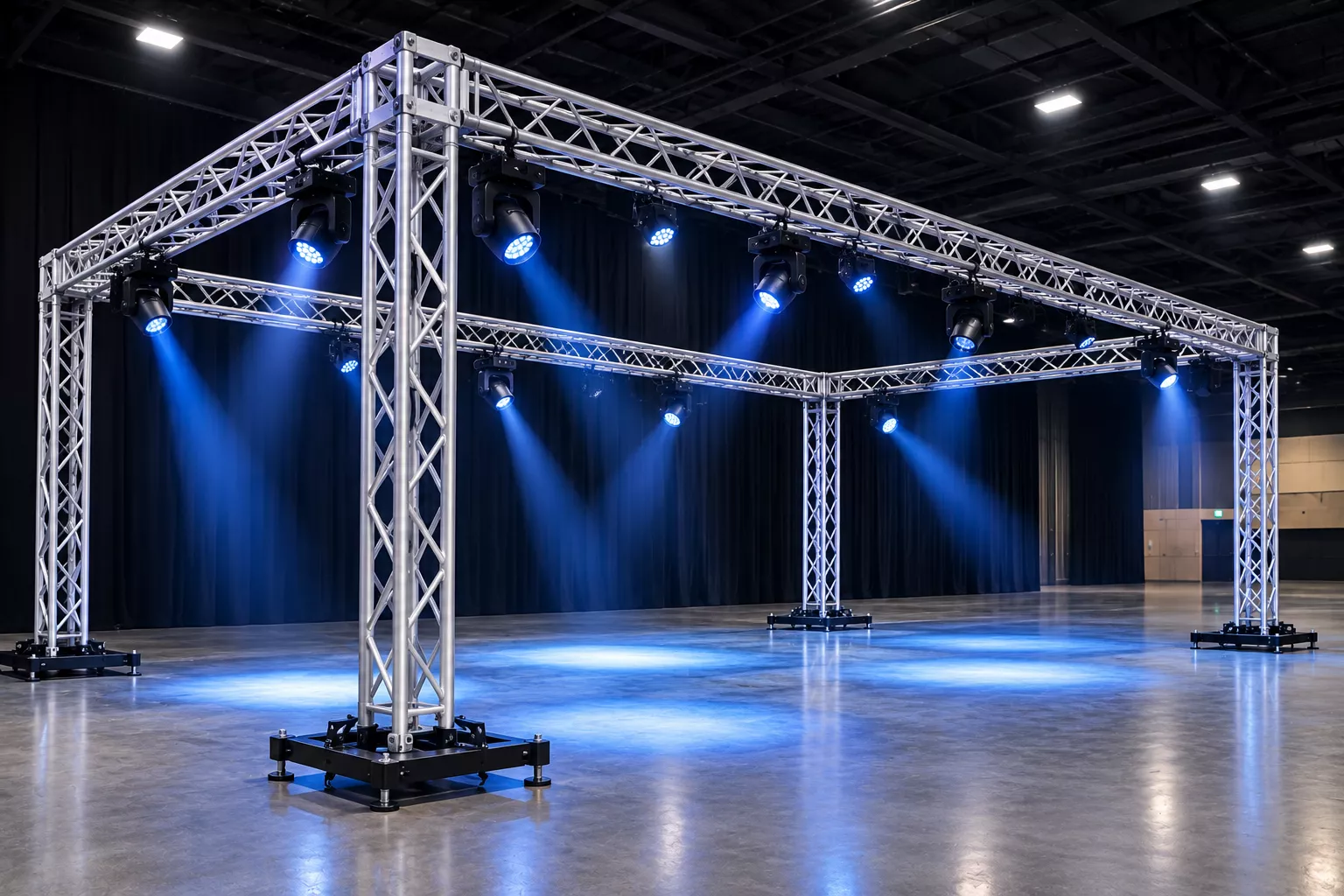
The ground-support truss system rests on its own legs, utilising base plates, outriggers, and ballasts to hold the weight directly to the ground instead of suspending the weight from a ceiling. These kinds of systems will be seen repeatedly throughout outdoor festival sites and marquee functions where there is no overhead structure that is certified for hanging from. The truss tower performs the structural role that the building cannot.
Because all the equipment rests on the ground, a ground support system is blind to the composition of the roof structure. For this reason, it is considered the standard choice when working with temporary setups, greenfield sites, and historic buildings where nobody wants to put holes into their original roof trusses. The downside is the footprint that they require.
What Is a Suspended Truss System?
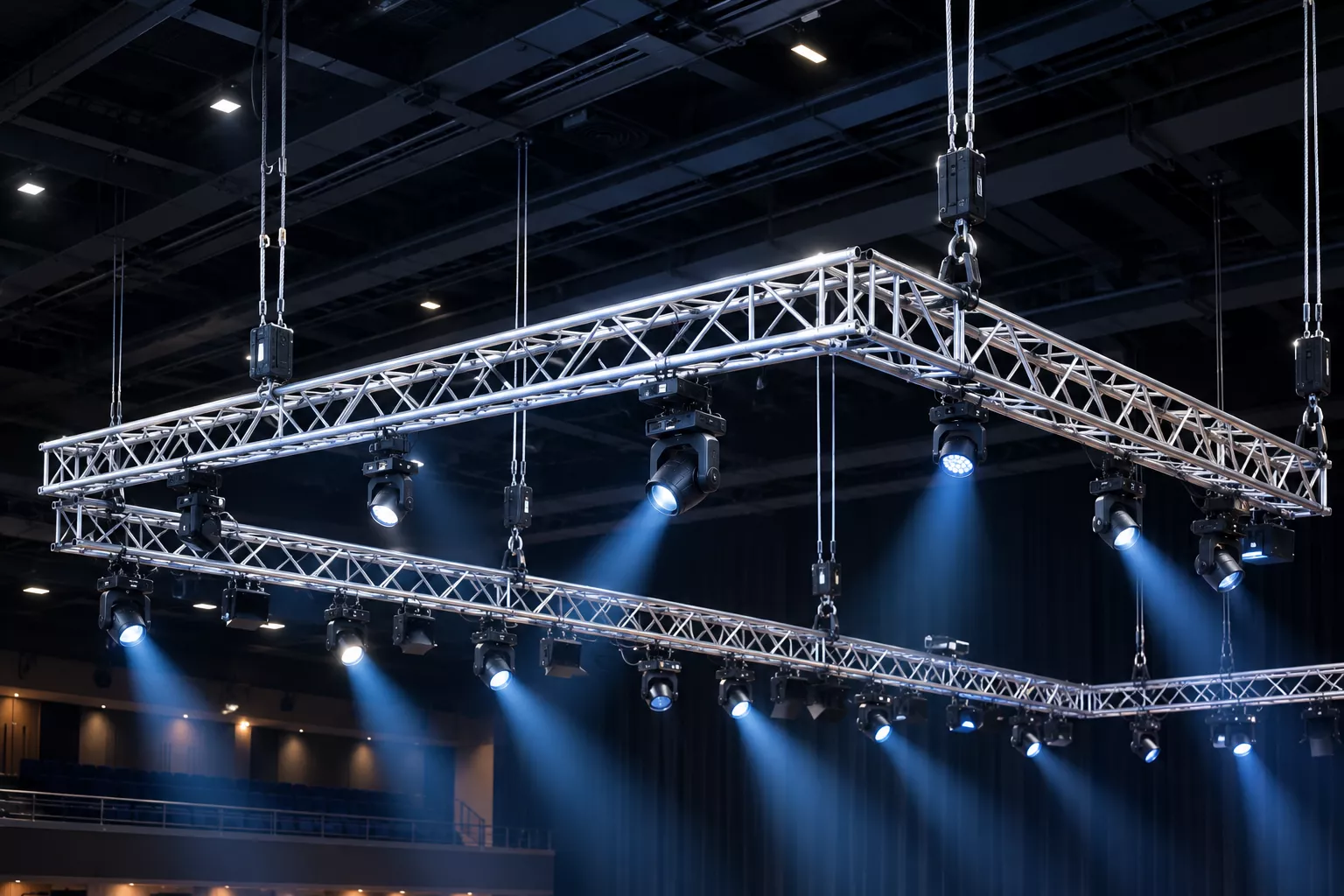
The suspension truss system is the reverse, attached by fixed structures, chain hoists or motorised rigging embedded in the ceiling or roof grid. All lighting bars, loudspeakers, and scenery units attach to the truss and not the stage floor, allowing the entire performance space to be used.
This is the norm in custom-designed theatres with an existing grid design. With the truss suspended above eye level, there will be clear sightlines, while the stage floor remains free. This makes it much easier to have anything involving blocking, choreography, or moving sets. The issue is that the quality of the rig depends on the structure supporting it, so it must be certified by an engineer that the structure can withstand the load.
Ground-Supported vs Suspended Truss: What Really Sets Them Apart?
The key difference here is not in the construction of the truss itself, since most truss pieces made of aluminium can be used in both ways. It lies in the point where the load is being transferred. With the ground support truss system, the load is being transferred through the rig frame to the floor, while with the suspended truss system the load is transferred upwards, directly to the structure of the building. This simple difference impacts all other rig choices, including set-up time and sacrificed floor space.
The sign off procedure is different as well. Ground support trusses will require base stability checks, wind loading calculations (especially when outdoors), as well as ballast calculations. Suspended truss systems rely on the presence of correctly identified suspension rigging points and correct documentation of load for the ceiling structure; skipping this step is what leads to most rig accidents. Neither is necessarily safer, as each type bears its own risks and requires a proper engineering solution rather than guessing.
Which Factors Should Help You in Making the Right Choice?
It is important to consider the practical limitations that will determine the final choice on the ground:
- Structural capability: Does the venue have an approved grid or no place to hang anything from?
- Available floor area: Do you mind losing square meters to the legs and outriggers of the ground support?
- Show length: a single-night show favours rapid setup; a permanent performance favors hanging rig.
- Line-of-sight and stage clearing: suspended rigging leaves your deck open for movement and scenic effects.
- Cost and labour: Ground support is typically more labour-intensive and requires more equipment.
No factor operates in isolation, which is why most venues typically end up employing both systems in various elements of the show and especially in stage truss systems.
Which System is Better in Different Venues?
For tour shows and outdoor festivals, the use of ground support is obvious because there is no proper construction that could be used as the base for suspension, and the rig needs to be portable anyway. Corporate events organised in rented event spaces use the same type of suspension because it is easier not to have any discussions regarding drilling holes in the ceiling just for one show.
When it comes to fixed locations, the situation changes. In theatres, schools, and cultural centres with the built-in grid system, the permanent or semi-permanent suspension using specialised stage systems designed specifically for each location is usually installed. It is more convenient to use a platform lift system along with a truss for focusing the lights rather than using scaffolding each time.
Mistakes To Avoid During Rigging
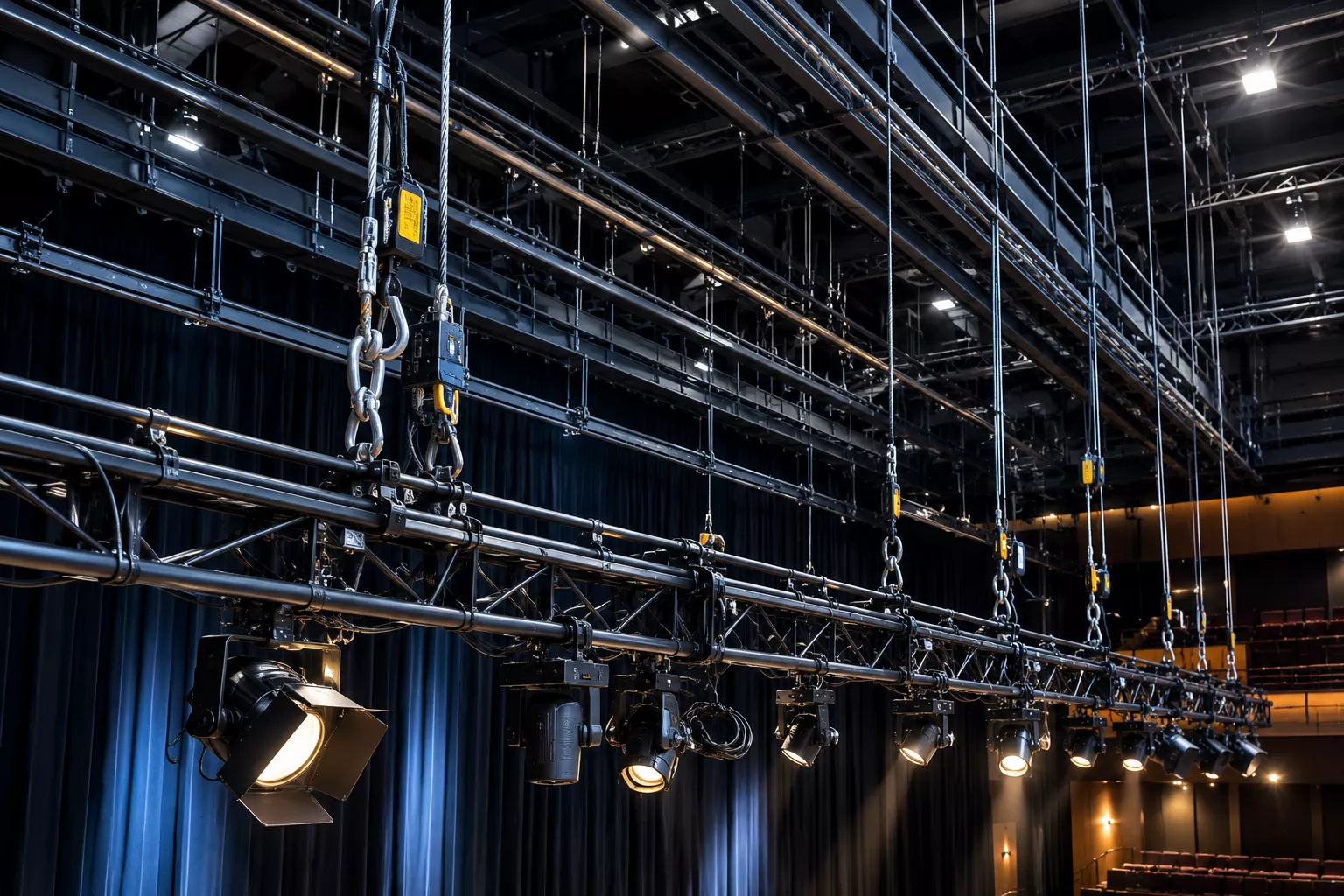
Even with careful planning, an otherwise well-conceived rig may face difficulties during its installation process due to careless installation methods. The most prevalent mistake that people make during their installation processes involves neglecting to carry out the site survey before determining the design to be used. In many cases, people go ahead to plan everything based on the dimensions that have been calculated beforehand, only to realise that the ceiling height, flooring type, and access points do not fit in the way they had imagined them to.
Another mistake that often occurs during the installation process is failing to carry out any documentation at all. The load calculations, inspections, and rigging plans should all be in place before the bump-in begins and not later when the trusses have already been installed in the air. Moreover, the crew needs to allow sufficient time to check everything out and adjust in case of any mistakes before even starting to run the cues.
Constructing the Correct Framework for Your Next Production
There is no right or wrong answer when it comes to the question of whether a ground-supported truss or a suspended truss is better; it all boils down to what works well with your venue, your production timetable, and the safety needs of your crew. Get the right professional engineer to evaluate the site and make your choice depending on that specific situation.
This is why choosing the services of ITE will give you a step ahead of others in ensuring you have the correct trusses for your production. Being a company that designs and builds custom solutions based on each individual venue, our engineers draw from years of experience in designing trusses for theatres in Australia.
Looking to get the truss system right for your next production? Contact ITE today!
FAQs:
Is it possible to change between ground support and a suspended rig within the same facility from one performance to the next?
It is definitely possible, as some multipurpose facilities employ both types of lifting rigging. While a touring production may choose to use the ground support tower for one night, the resident production will have the advantage of using the permanently installed suspended grid.
Is a suspended truss system quicker in terms of crew effort than ground support?
Usually, yes, provided that the overhead grid infrastructure has been installed. In the case of ground support, it is necessary to assemble the tower every time, place the ballasts and check the base stability, which takes many hours not required by a fixed suspended grid.
What effect does wind loading have on the choice of rigging system?
In the case of an outdoor ground support rig, wind loading becomes crucial as the whole structure has to withstand the lateral load without the advantage of anchoring into the roof.
Which certificate should be present before truss installation at suspension rigging points?
The suspension rigging points require a documented maximum load rating by an engineer qualified either in structural engineering or rigging to ensure that the building will be able to handle the load and the safety factor. This process is one of the major reasons why rigging may fail.
Which system is cheaper overall?
It depends on the frequency of use. The ground support system will be more expensive for every performance, since it includes hiring additional equipment and manpower. In contrast, the permanently suspended system will have initial expenses but will be cheaper in the long run.